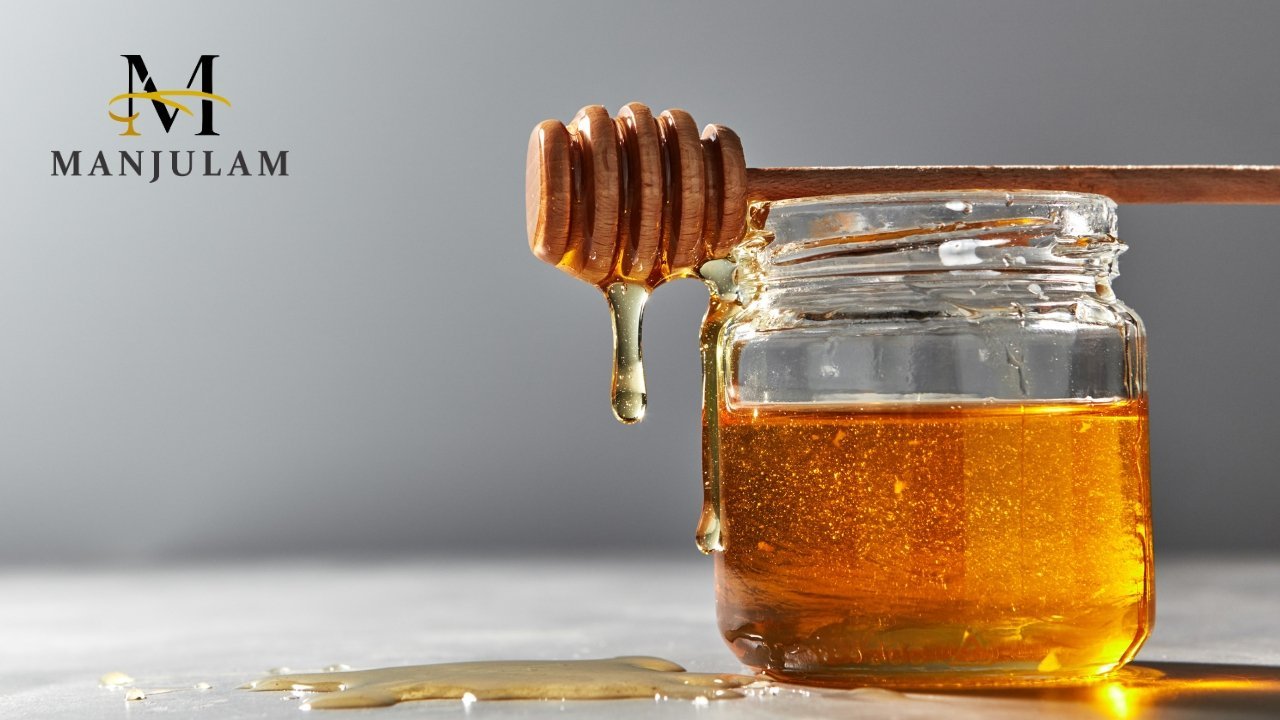
Wild Forest Honey is a naturally produced sweet food collected by honeybees from the nectar of flowers growing in forests, woodlands, and other natural environments. Unlike honey produced from a single cultivated crop, forest honey may come from a variety of flowering plants, giving it a distinctive flavour, aroma, colour, and texture. Honey has been enjoyed as a food and natural sweetener for thousands of years and remains a popular ingredient in households around the world.
What Is Wild Forest Honey?
Wild Forest Honey generally refers to honey collected by bees that forage on a variety of wildflowers and plants found in forest or natural environments. Because bees may visit many different flowers, the final honey can have a complex flavour profile that varies according to the season, location, floral sources, and harvesting conditions.
For people looking for Natural Honey, forest-sourced honey can be an interesting choice because its flavour reflects the diversity of the plants available to bees. The colour may range from light golden to darker amber depending on the floral sources and other natural factors.
How Is Forest Honey Produced?
The production of Pure Forest Honey begins when honeybees collect nectar from flowering plants. Bees carry the nectar back to their hive, where natural enzymatic processes and evaporation gradually transform it into honey. The honey is stored in honeycomb cells and sealed when it reaches the appropriate maturity.
Beekeepers may harvest mature honeycomb from managed hives located near forest areas or natural flowering regions. The honey is then extracted, filtered according to the producer’s process, and packed for consumption.
The exact characteristics of Organic Honey depend on the environment, floral sources, beekeeping practices, and processing methods used by the producer. Consumers should check the product label and certification information when a specific organic claim is important to them.
Why Is Wild Forest Honey Different?
One of the interesting characteristics of Forest Honey is that its flavour can vary naturally. Honey collected from areas with diverse vegetation may contain nectar from multiple plant species. This can create differences in sweetness, aroma, colour, and texture from one harvest to another.
Compared with honey from a single dominant floral source, Raw Forest Honey or multi-floral forest honey may have a more complex flavour profile. However, terms such as raw, natural, and unprocessed can have different meanings depending on the producer and market, so checking the label is important.
Nutritional Profile of Honey
Pure Natural Honey primarily consists of naturally occurring sugars and water, with smaller amounts of other compounds. It is an energy-dense food and is commonly used as a sweetener.
Honey can be incorporated into a balanced diet in moderate quantities. However, natural honey is still a source of sugar and calories, so it should not automatically be considered a low-sugar or calorie-free alternative to other sweeteners.
Parents and caregivers should also follow established food-safety guidance regarding honey and infants. Honey should not be given to children under 12 months because of the risk of infant botulism.
Benefits of Using Natural Honey
Many people choose Natural Forest Honey because it provides a convenient way to add sweetness to food and beverages. It can be used instead of refined sugar in many recipes according to personal taste.
Honey can be added to tea, milk, smoothies, yogurt, breakfast bowls, toast, and homemade desserts. Its naturally sweet flavour can also complement salad dressings, sauces, marinades, and baked recipes.
It is important to distinguish culinary uses from medical claims. While honey has been studied for various potential biological effects, eating honey should not be presented as a treatment or cure for medical conditions without appropriate clinical evidence.
How to Use Wild Forest Honey
There are many Wild Honey Uses in everyday cooking. A spoonful can be added to warm beverages, spread over toast, mixed with yogurt, or drizzled over pancakes and breakfast bowls.
It can also be used in homemade desserts, salad dressings, sauces, and marinades. Bakers can incorporate honey into selected recipes to add sweetness, moisture, and its characteristic flavour.
For a simple everyday option, mix Forest Honey into a beverage or pair it with breakfast foods. The versatility of honey makes it a practical pantry ingredient for both traditional and modern recipes.
Wild Forest Honey vs Regular Honey
The main difference between Wild Forest Honey vs Regular Honey is usually the floral and geographical source rather than honey being a completely different food. Forest honey may come from nectar collected from multiple wild plants, while other honey products may be sourced from specific crops or floral varieties.
Floral source can influence colour, aroma, flavour, and other characteristics. Therefore, two genuine honeys can look and taste noticeably different while both being honey.
When comparing products, consumers should check the ingredient list, source information, processing details, packaging, and applicable quality or certification information.
How to Choose the Best Wild Forest Honey
When choosing the Best Wild Forest Honey, start by checking the product label carefully. Look for clear information about the honey source, ingredients, producer, batch details, packaging, and storage instructions.
If you are specifically searching for Unprocessed Honey, check how the manufacturer defines and describes its processing method. Similarly, if a product is marketed as organic, look for appropriate certification or supporting information.
Colour and texture can provide useful sensory information, but they are not by themselves reliable proof of purity or quality. A transparent brand should provide clear product information and avoid unsupported health claims.
Storage of Natural Honey
Proper storage helps maintain the quality of Natural Honey. Keep the jar tightly closed and store it in a clean, dry place away from excessive heat and moisture. Always use clean, dry utensils when taking honey from the jar.
Honey may naturally crystallize over time. Crystallization is a normal process and does not necessarily mean that the honey has spoiled. The speed and appearance of crystallization can vary according to floral source and storage conditions.
Wild Forest Honey in Traditional Food Culture
Honey has been used in traditional food practices across many cultures. In India, it is commonly enjoyed as a sweet ingredient and can be incorporated into beverages, desserts, and various homemade preparations.
The popularity of Pure Honey comes partly from its versatility. It can be enjoyed on its own, combined with milk or other foods, or used as a sweetening ingredient in recipes.
For modern consumers, Wild Forest Honey offers an opportunity to enjoy the distinctive flavour associated with diverse floral environments while using honey in familiar everyday ways.
Frequently Asked Questions
What is Wild Forest Honey?
Wild Forest Honey is honey produced by bees that collect nectar from multiple flowering plants found in forest and natural environments. Its flavour, colour, and aroma can vary depending on the floral sources and season.
Is Wild Forest Honey natural?
Honey itself is a natural product produced by bees. Whether a packaged product is described as raw, unprocessed, organic, or filtered depends on the producer’s processing method and applicable standards. Always check the product label.
What is the difference between forest honey and regular honey?
The primary difference is generally the floral source. Forest honey may come from many wild plants, while other honey may be associated with a particular crop or floral source.
Can Wild Forest Honey be used every day?
Honey can be used as part of a balanced diet, but it is still a concentrated source of sugar and calories. Portion size is therefore important.
Can honey be added to tea?
Yes. Honey can be used as a sweetener in tea and other beverages. Many people also use it with milk, smoothies, yogurt, or breakfast foods.
Does natural honey crystallize?
Yes. Honey can naturally crystallize depending on its floral composition, water content, and storage conditions. Crystallization does not necessarily indicate spoilage.
How should forest honey be stored?
Store honey in a tightly closed container in a clean, dry place away from excessive heat and moisture. Follow any specific storage instructions provided on the product label.
Can babies have honey?
No. Honey should not be given to infants under 12 months because of the risk of infant botulism.