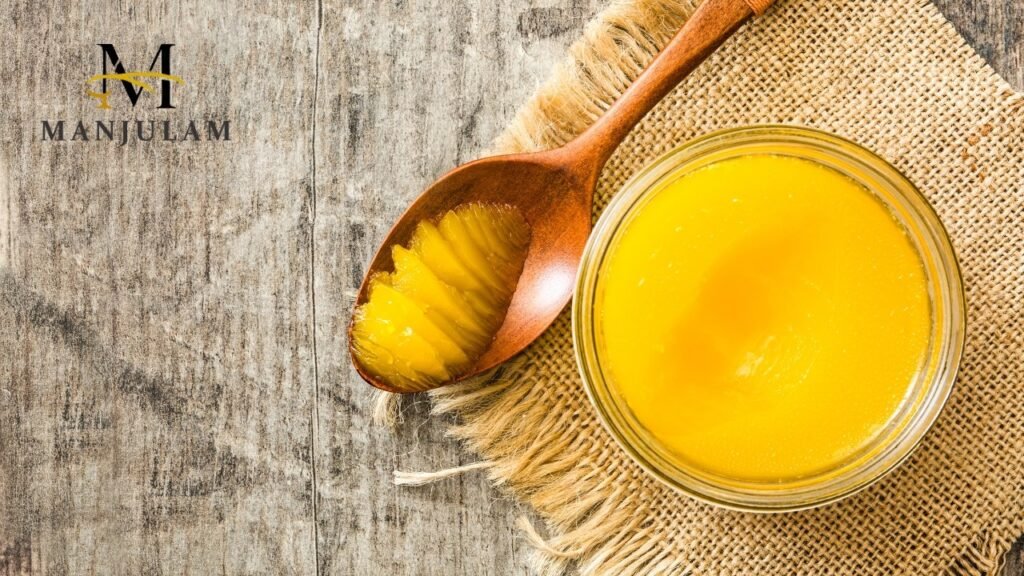
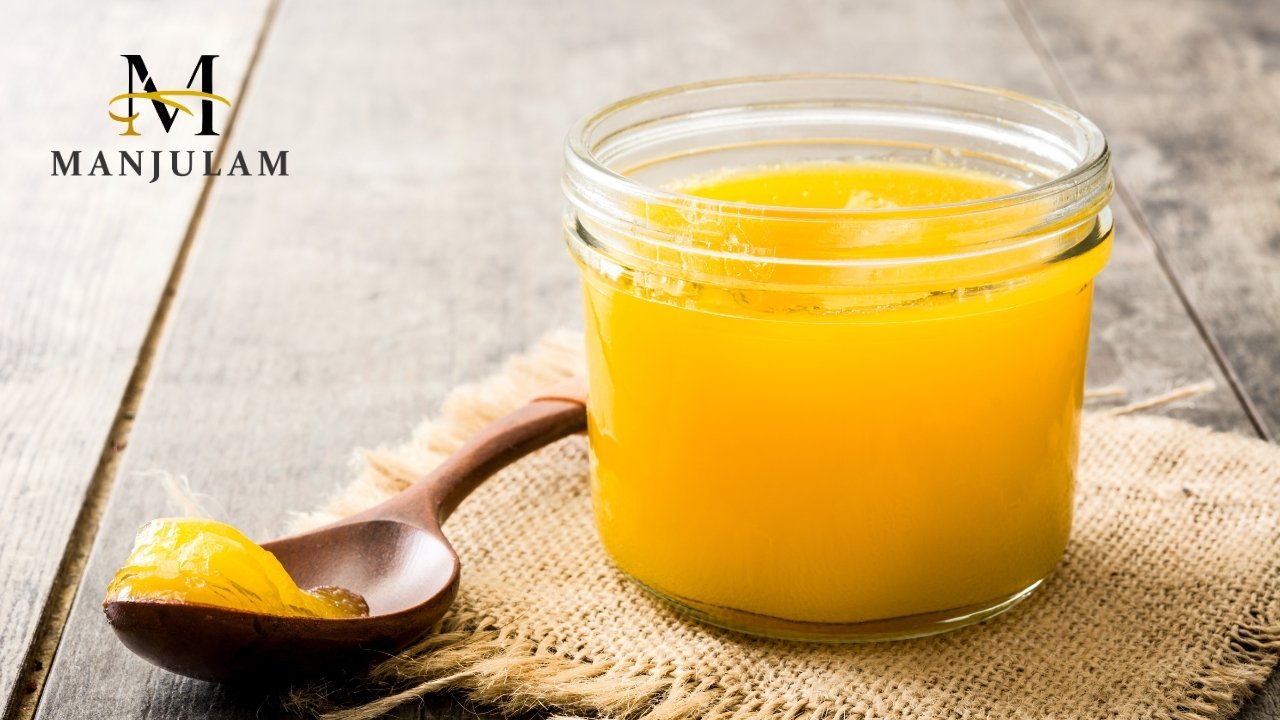
Cow Ghee has been an important ingredient in Indian kitchens for generations. Known for its rich aroma, smooth texture, and distinctive flavour, ghee is used in everything from everyday meals to festive sweets. Whether you are preparing dal, rice, roti, vegetables, or traditional desserts, a small amount of ghee can add richness and a familiar Indian touch to your food.
For people who enjoy traditional ingredients, Desi Cow Ghee can be a versatile addition to everyday cooking. The way ghee is used can vary from region to region, but its role in Indian cuisine remains strong.
1. Add Cow Ghee to Dal
One of the simplest Cow Ghee Uses is adding it to dal. After cooking dal, you can add a small amount of warm ghee along with a traditional tadka of cumin, garlic, chilli, or other spices.
The combination of hot dal, spices, and ghee creates a rich aroma and enhances the overall flavour of the dish. This simple preparation is common in many Indian households.
2. Use Ghee with Rice
Ghee and rice are another classic combination. A spoonful of Pure Cow Ghee can be mixed with hot steamed rice, jeera rice, pulao, or khichdi.
Ghee coats the rice and adds a rich buttery aroma. You can also combine it with dal, vegetables, or spices to create a simple and satisfying meal.
3. Spread Ghee on Roti and Paratha
Using Desi Cow Ghee on freshly prepared roti or paratha is a traditional way to enjoy ghee. Apply a small amount while the bread is still hot so that the ghee melts naturally.
This adds flavour and richness to plain roti, paratha, naan, or other Indian flatbreads. It is especially popular with dal, vegetables, pickle, and curd.
4. Use Ghee for Tadka
A traditional Ghee Tadka can transform the flavour of simple dishes. Heat a small quantity of ghee and add spices such as cumin seeds, mustard seeds, asafoetida, dried chilli, or curry leaves.
This tempering can be poured over dal, kadhi, vegetables, chutneys, or other dishes. Ghee helps carry the aroma of the spices and gives the dish a distinctive traditional character.
5. Cook Vegetables with Ghee
Traditional Cow Ghee can be used for sauteing vegetables and preparing a variety of Indian sabzis. Heat a small quantity of ghee before adding vegetables and spices.
Ghee works well with potatoes, carrots, peas, cauliflower, spinach, and many other vegetables. It can also be combined with herbs and spices for a simple homemade preparation.
6. Prepare Khichdi with Ghee
Khichdi and ghee are a classic combination. Adding Natural Cow Ghee to freshly prepared khichdi gives the dish a rich aroma and smooth mouthfeel.
You can add ghee directly to the bowl or use it to prepare a simple tempering with cumin and other spices. Khichdi with ghee is a popular comfort-food combination in many Indian homes.
7. Use Ghee in Indian Sweets
Ghee plays an important role in many traditional Indian desserts. Pure Desi Ghee can be used while preparing ladoo, halwa, barfi, moong dal halwa, besan ladoo, and other sweets.
Ghee contributes richness and helps develop the characteristic texture and aroma associated with many homemade Indian desserts.
8. Roast and Saute Ingredients
Another useful Ghee Cooking method is roasting or sauteing ingredients. Ghee can be used to roast nuts, spices, semolina, flour, or other ingredients used in Indian recipes.
For example, when making halwa, roasting ingredients in ghee helps develop a deeper aroma and flavour. The amount of ghee can be adjusted according to the recipe and personal preference.
9. Add Ghee to Breakfast Recipes
Cow Milk Ghee can also be incorporated into breakfast dishes. It can be spread over toast, added to paratha, or used while preparing traditional Indian breakfast recipes.
It can also be used in dishes such as poha, upma, stuffed paratha, or homemade pancakes according to the recipe. Its rich flavour can complement both sweet and savoury foods.
10. Finish Dishes with Ghee
One of the easiest Ghee Benefits in Cooking is its ability to add aroma and flavour as a finishing ingredient. Instead of using a large amount during cooking, you can add a small amount of ghee just before serving.
A finishing spoonful can work well with dal, rice, khichdi, vegetables, soups, or traditional Indian dishes. This method allows the characteristic aroma of ghee to remain noticeable.
Choosing the Right Cow Ghee
When buying Best Cow Ghee, consumers should look at the complete product information rather than relying on a single claim. Check the ingredient list, milk source, manufacturing process, packaging, batch information, and applicable food-safety or quality certifications.
If you prefer traditionally prepared products, you may also look for Bilona Cow Ghee and check whether the manufacturer clearly explains its production method.
For consumers specifically interested in A2 Desi Cow Ghee, it is useful to check how the brand supports its A2 claim and whether clear information about sourcing and testing is available.
How Much Ghee Should You Use?
The amount of ghee required depends on the recipe, personal preference, and overall diet. Ghee is calorie-dense and contains a significant amount of fat, so using it in moderate quantities can help maintain balance.
Instead of adding large amounts, many traditional recipes use ghee strategically for tempering, finishing, roasting, or flavour. The right quantity depends on the dish and individual dietary requirements.
Ghee in Traditional Indian Cooking
The popularity of Traditional Ghee comes from its versatility. It can be used in everyday meals as well as festive recipes. From simple dal-rice combinations to elaborate sweets, ghee has a place in many Indian cooking traditions.
Its characteristic aroma and rich taste make it especially useful when preparing foods where a small amount of fat can carry the flavours of spices and other ingredients.
Frequently Asked Questions
What is the best way to use cow ghee?
Cow ghee can be used for tadka, sauteing, roasting, cooking vegetables, preparing sweets, and finishing dishes. It can also be added to rice, dal, roti, paratha, and khichdi.
Can cow ghee be used for daily cooking?
Yes, ghee can be included in everyday cooking according to personal dietary preferences. Since it is calorie-dense and high in fat, moderation is important.
Can I use ghee for making sweets?
Yes. Ghee is traditionally used in many Indian sweets such as ladoo, halwa, barfi, and other homemade desserts.
Is Bilona Ghee different from regular ghee?
Bilona refers to a traditional preparation method in which milk is converted into curd, the curd is churned to obtain butter, and the butter is then clarified into ghee. Other ghee products may use different production methods.
Can ghee be added to rice?
Yes. Adding a small amount of ghee to hot rice is a simple and traditional way to enhance its aroma and flavour.
Is A2 Cow Ghee the same as Bilona Ghee?
No. A2 describes the beta-casein type associated with the source milk, while Bilona describes a traditional ghee-making process. A product can be both A2 and Bilona, but the terms refer to different aspects.
How should cow ghee be stored?
Store ghee in a clean, dry, tightly closed container and follow the manufacturer’s storage instructions. Avoid introducing water or moisture into the jar.
Can ghee be used for tadka?
Yes. Ghee is commonly used for tempering spices such as cumin, mustard seeds, garlic, chilli, and asafoetida in Indian cooking.